


Located between the Massif Central and the Aquitaine Basin, Villefranche-de-Rouergue is one of the most beautiful bastides in the former Midi-Pyrénées region. Stroll through its medieval streets where culture and art of living mingle.
dubbed “the pearl of Rouergue”, Villefranche-de-Rouergue abounds in an exceptional built heritage. Featured under “Great Occitanie Sites” and "Cities and Countries of Art and History", the town is home to some 28 classified and registered monuments.
What to visit in Villefranche de Rouergue?
- The royal bastide
- The traditional market
- The Collegiate Church of Notre-Dame
- The Chapel of the Black Penitents
- The monastery of the Charterhouse of Saint-Sauveur
- The view from Calvary
- The Chapel of Thirteen Stones
Explore the bastide town of Villefranche de Rouergue
Villefranche-de-Rouergue is a medieval country house built in 1252 by Alphonse de Poitiers. It was built according to a regular plan in the shape of a checkerboard around a central square: Place Notre-Dame. Lose yourself in this maze of streets, all of them have an element of history to tell you! You will unearth some hidden nuggets there, including the Dardenne house and its tower housing a very beautiful Renaissance staircase.
Enter the Collegiate Church of Notre-Dame
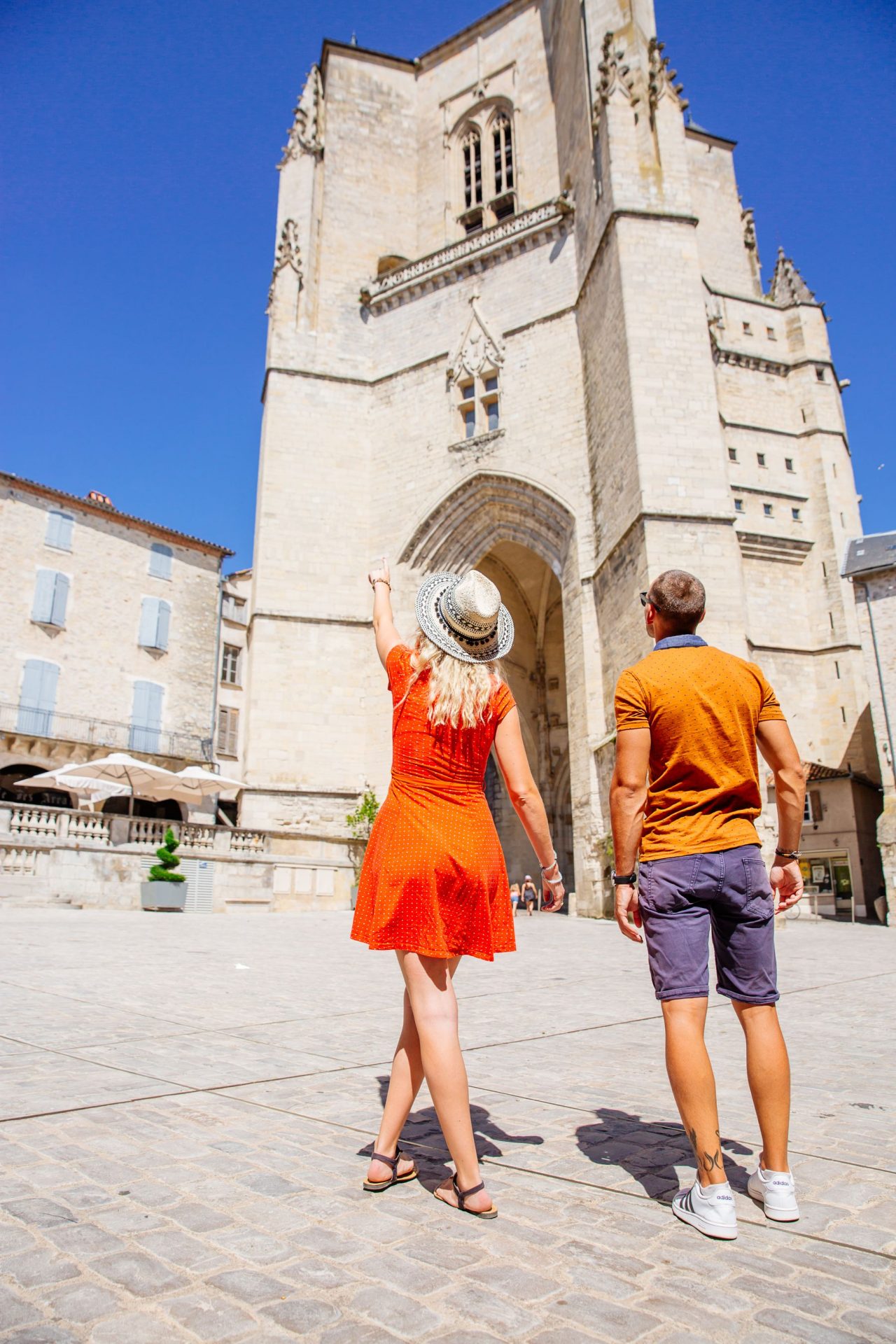
This gothic church of the XNUMXth century is the most emblematic monument of the city. It is famous for its remarkable architecture, its magnificent stained glass windows and its imposing bell tower. Majestic and serene, it has watched over Place Notre-Dame for more than five centuries!
During the summer months, climb the 163 steps of the staircase spiral to the rhythm of the carillon and access a superb panorama over the roofs of the Bastide de Villefranche.


Clocher de la Collégiale Notre-Dame
Take a trip to the market
Trade town since its foundation by the French power almost 800 years ago, Villefranche-de-Rouergue has offered all its vitality to the Thursday morning, when the sound begins large weekly market. Taking place on the forecourt of the Notre-Dame collegiate church and in the adjacent streets, it leaves no meaning behind. Colors and scents mingle with the tastings, the voices and the tinkling of the carillon...
The city wakes up to the noise of the comings and goings of exhibitors unpacking their wares: farçous, charcuterie, cheeses, fouace... Come and meet the local producers, let them introduce you to their specialties and marvel at the roundness of their accent when they call out to each other in Occitan.
Let yourself be surprised by the decor of the chapel of the Black Penitents
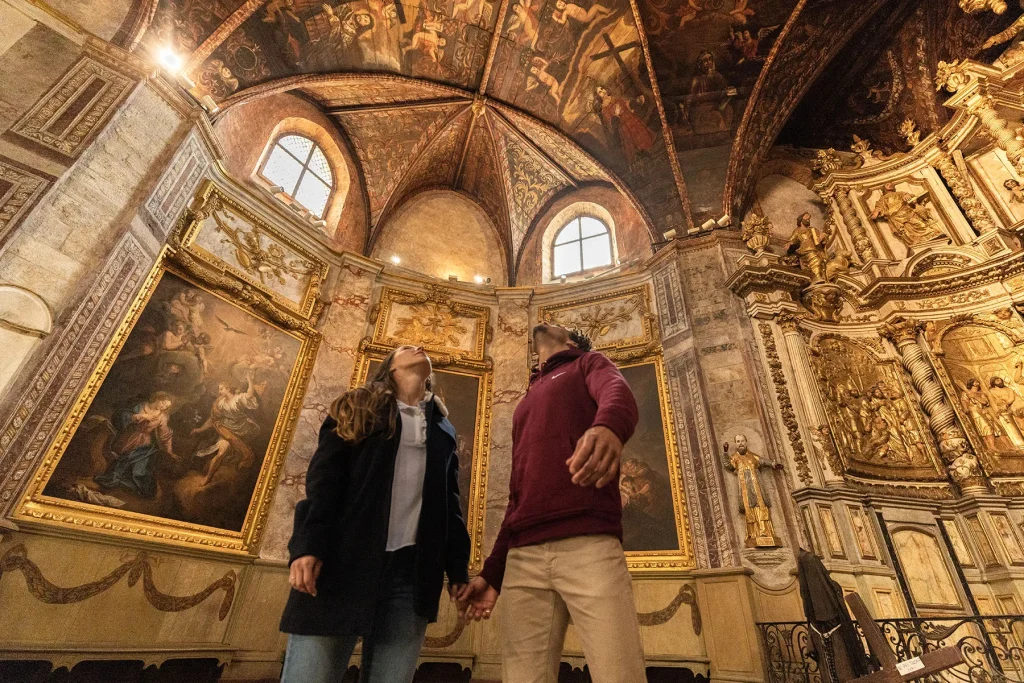
Push the doors of the chapel of the Black Penitents and you will be amazed by the treasure of Baroque art it contains! Its entirely painted vault and its sculpted and gilded altarpiece make it an unmissable masterpiece.
Visit the Charterhouse of Saint-Sauveur, haven of peace in the city
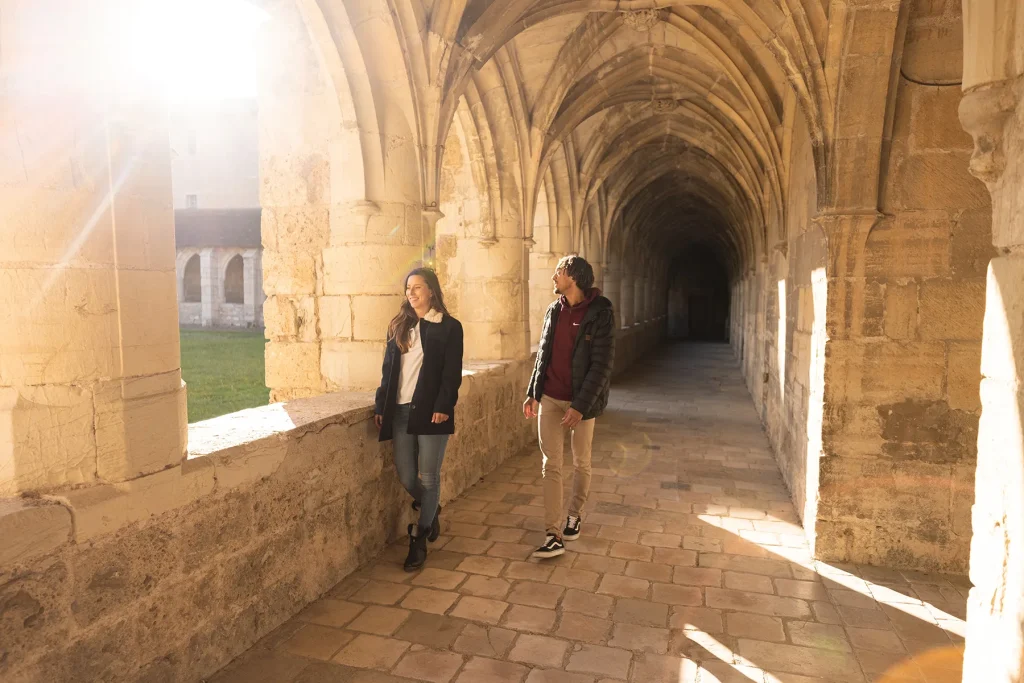
At the gates of the city, visit this ancient monastery steeped in history where calm and serenity reign. Immerse yourself in the daily life of Carthusian monks and lay brothers of yesteryear. A jewel of flamboyant Gothic art, this monument offers a captivating spiritual interlude.
Gaze over the city from the viewpoint of Calvary
Before entering the old centre, take some height and treat yourself the most beautiful panorama of the bastide. To do this, go to Calvary ! Villefranche-de-Rouergue proudly displays its XNUMXth century grid plan and its elegant stone and half-timbered buildings covered with tiles.
Admire the paintings in the Chapel of Thirteen Stones
Built in the 1952th century, this chapel will amaze you! Painted in XNUMX by Nicolai Greschny, painter from the Tarn of Russian origin, she is a real beauty. Every detail of the Orthodox-inspired frescoes will captivate you.
Chapel of Our Lady of Thirteen Stones
Interactis car park (West Aveyron – Community of Communes)
12200 Villefranche-de-Rouergue
Villefranche de Rouergue in video
Take the time to stroll through Villefranche-de-Rouergue market, taste our local products, climb the bell tower for a 360° view of the Royal Bastide or visit the monastery of Chartreuse St-Sauveur to discover its secrets! A whole program to enjoy the Bastides and Gorges of Aveyron!

When Netflix transforms the bastide: from the Middle Ages to the 1940s!
In July 2022, Netflix film crews took over downtown Villefranche for 3 weeks for the adaptation of the novel "All the Light We Can't See" by Anthony Doerr. The story, which takes place in St Malo during the Second World War, tells us of the crush of Marie-Laure, a young blind teenager, for a German soldier.
During your walk, look up and admire the filming locations used for the occasion.
Prepare your stay in Villefranche de Rouergue
After booking your accommodation and selecting the restaurants to try, it's time to choose your activities to make the most of your stay in Villefranche de Rouergue!
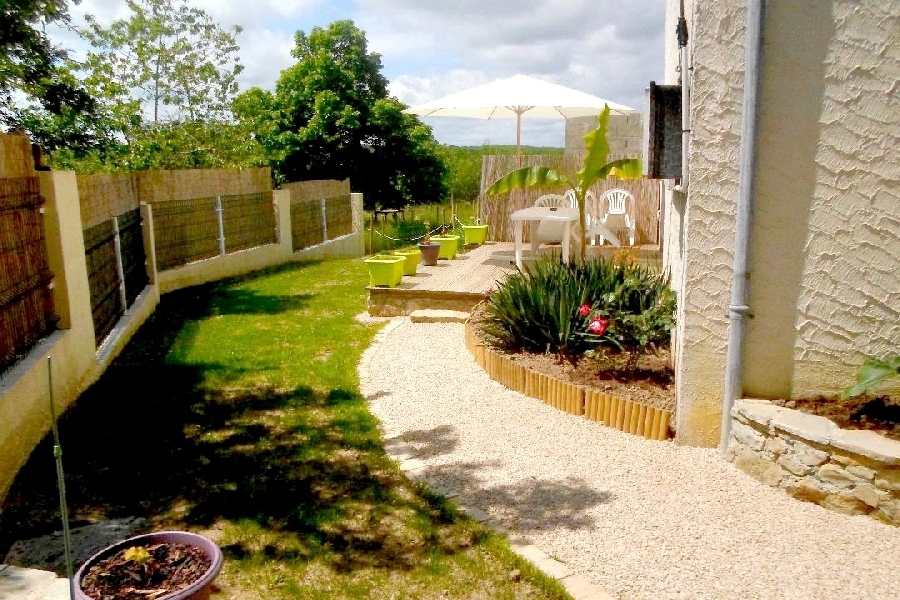
Le gîte de Siloé
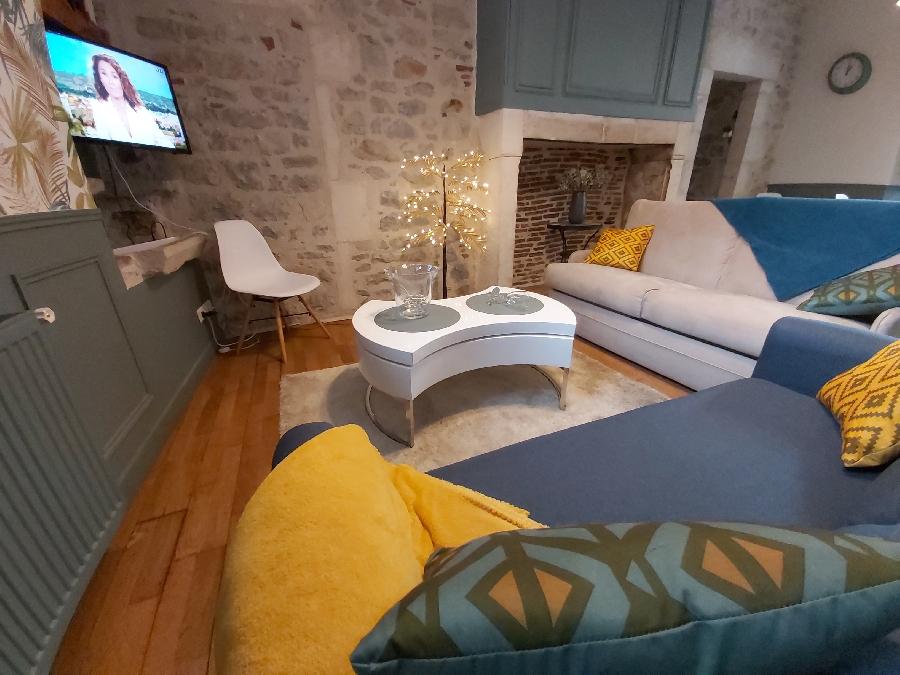


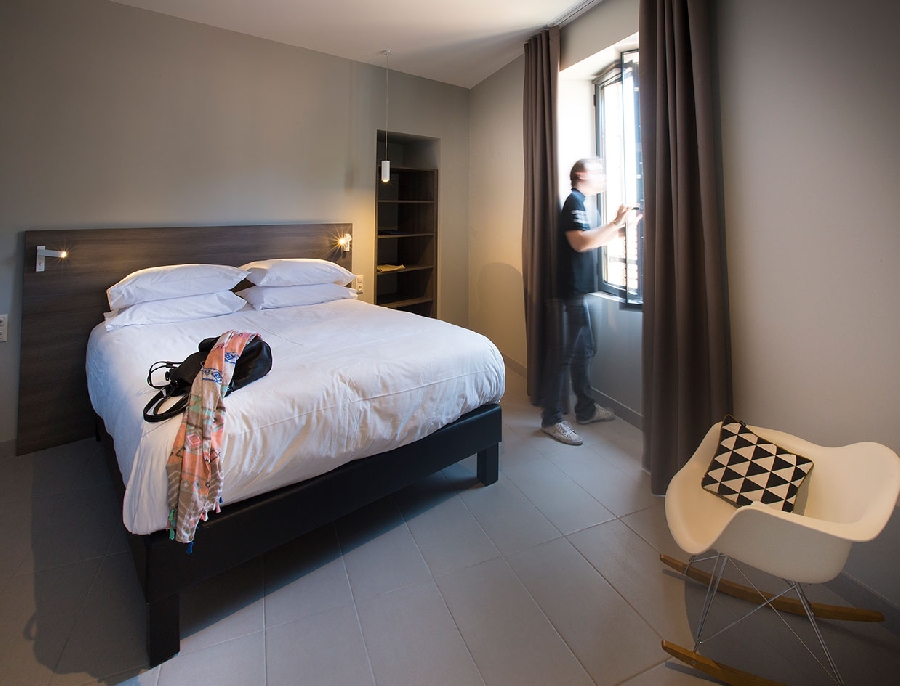
La Maison de Siloé


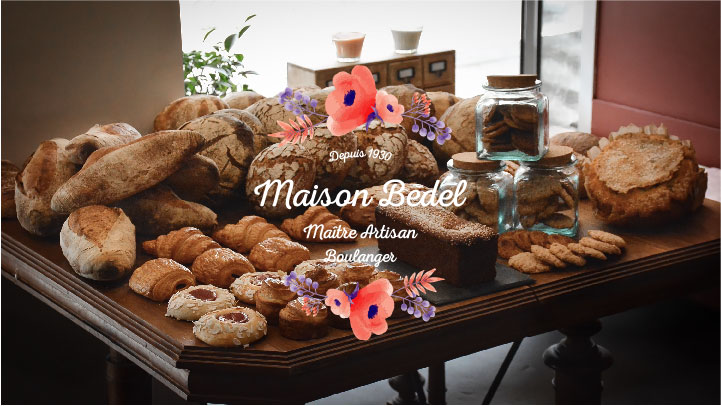
Salon de thé – Boulangerie – Maison Bedel
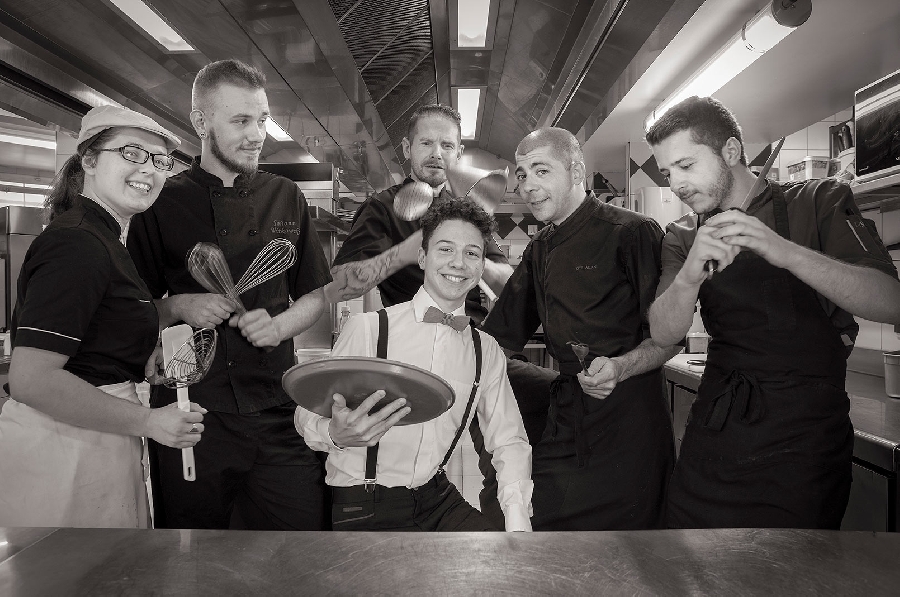
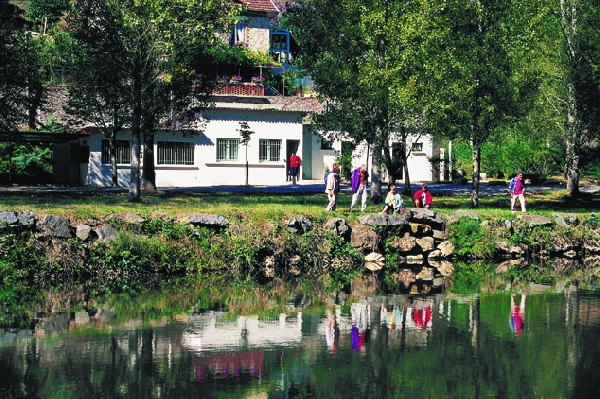
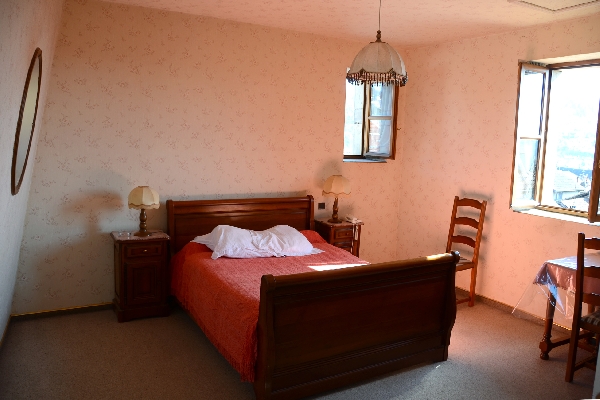
Le Relais de Farrou


Crêperie Joie

Mc Donald’s

L’Atelier de Damien
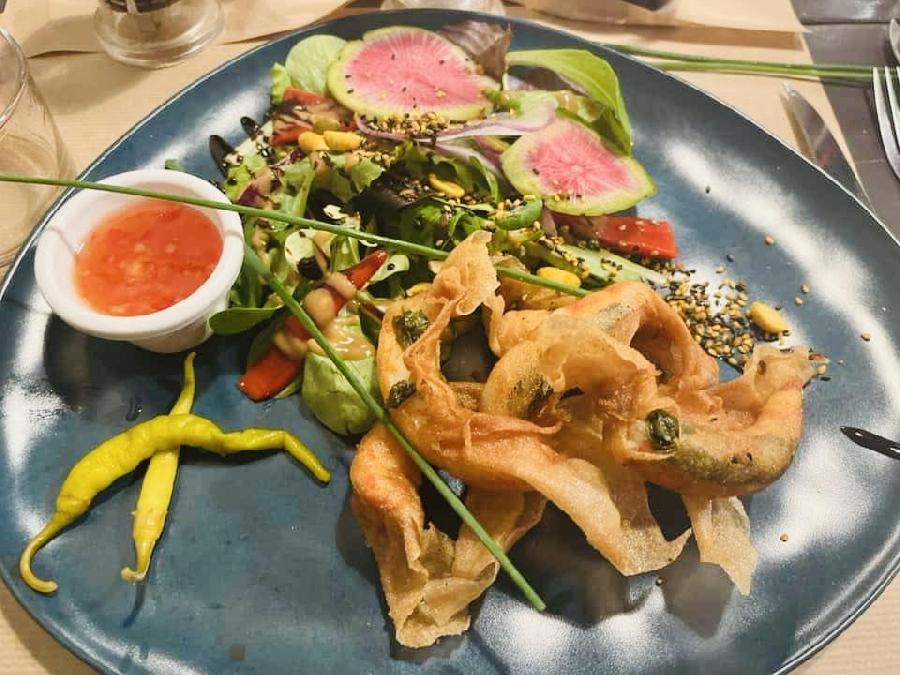
Gaya

Le Glacier


Table Jacques a dit
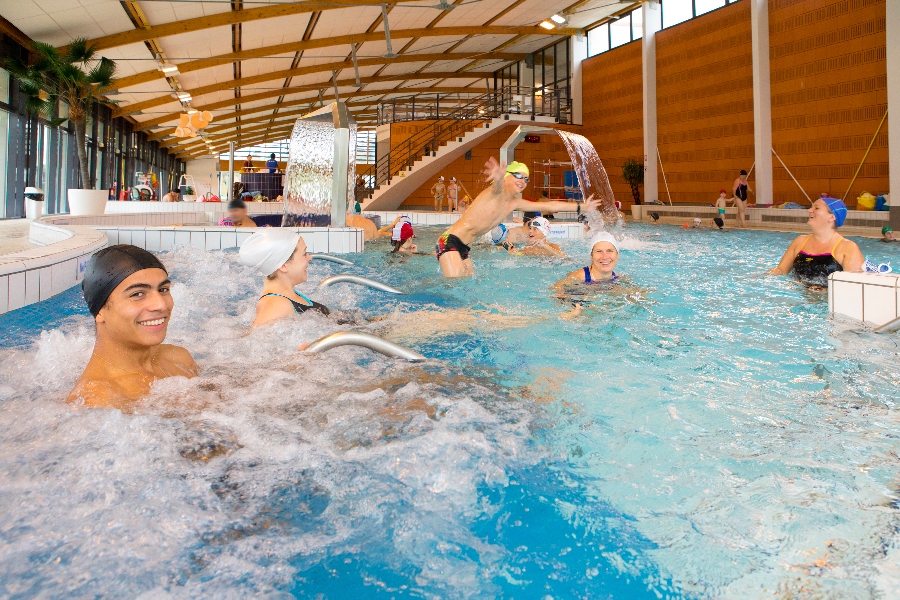
Centre Aquatique Aqualudis

Les choses de l’Air : cours, école de pilotage

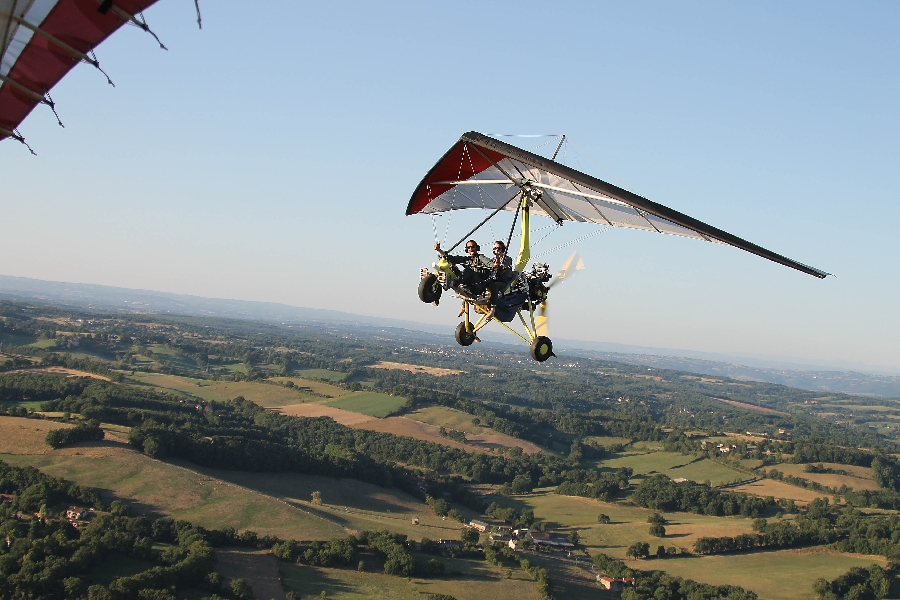
Baptême de l’air en ULM avec Les choses de l’Air
What to visit around Villefranche de Rouergue?
- The Aveyron Gorges
- The Abbey of Loc-Dieu
- The Dolmens of Martiel
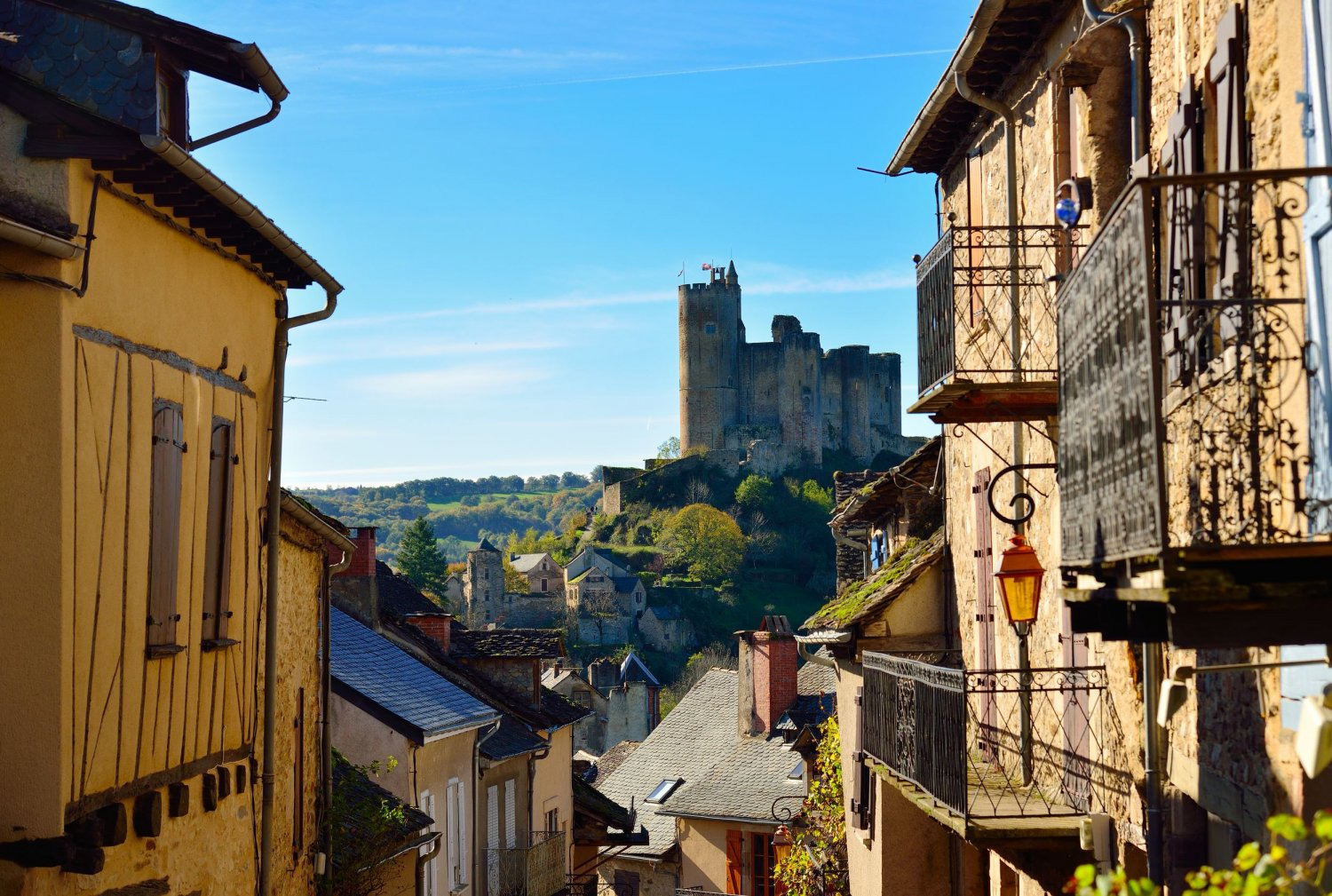
- Najac, the most beautiful village in France
- Villeneuve d'Aveyron
The Aveyron Gorges
Enjoy a nature getaway by exploring the magnificent gorges of Aveyron, where you can practice outdoor activities such as hiking, mountain biking or canoeing.


The Abbey of Loc-Dieu
The oldest of the Cistercian abbeys of Rouergue is revealed surrounded by woods and water in the heart of a large romantic park. Follow a visit to discover the elegant and refined architecture of this exceptional place.
The Dolmens of Martiel
Explore the circuit of the dolmens of Martiel and let yourself be carried away by a natural history dating back more than 4 years. A family outing in a wooded setting imbued with an almost magical atmosphere.
Najac & Villeneuve d'Aveyron
Travel back in time to Najac, a medieval village ranked among the most beautiful villages in France. Its imposing fortress offers breathtaking panoramic views of the Aveyron gorges.
Discover the authentic charm of Villeneuve d'Aveyron ! Stroll through the alleys of this bastide-sauveté where each stone bears witness to the proud Occitan history.


