


Discover the history of the road to Santiago de Compostela in West Aveyron. Immerse yourself in 1000 years of pilgrimage in Rouergue between Conques and Toulouse.
To each pilgrim his way
In the XNUMXth century, the pilgrim's guide by Aymery Picaud described four symbolic routes that crisscrossed France today to lead pilgrims to Santiago de Compostela. All along the medieval roads, pilgrims meditated near a crowd of relics. the Rouergue did not escape these devotions to cure the evils of everyday life, nor the passage of pilgrims. With them also circulated ideas, artistic forms...
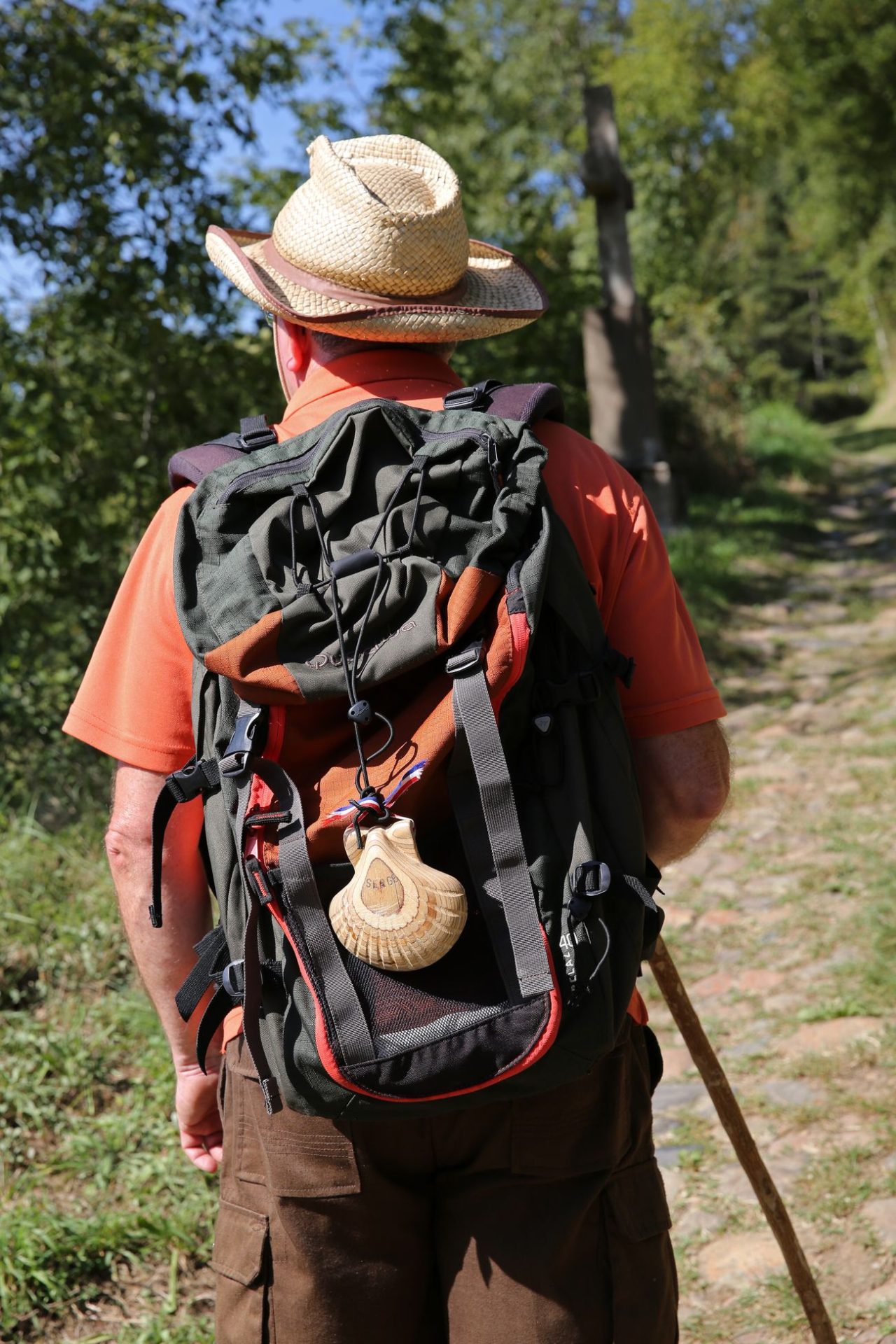
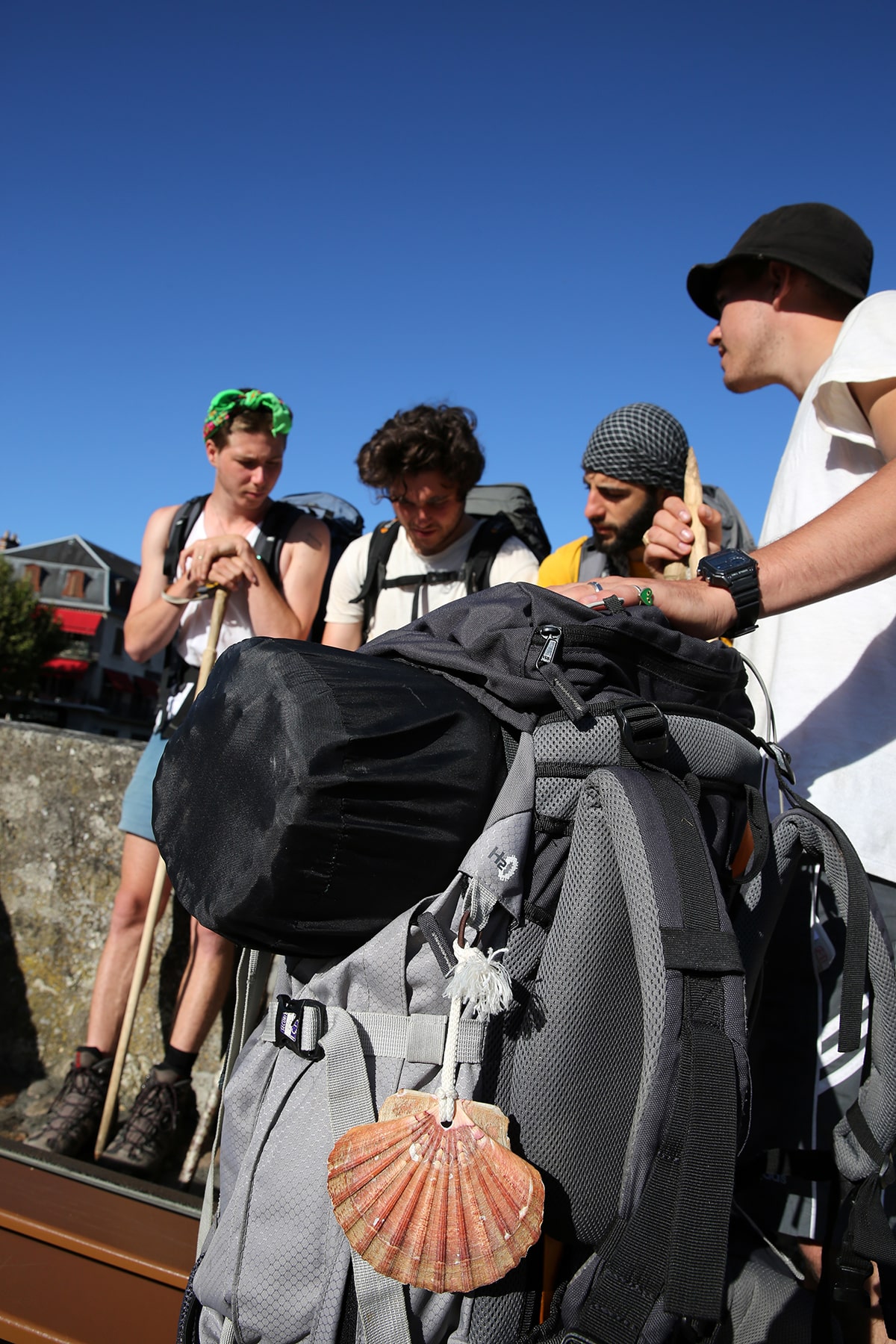
Le Conques-Toulouse: a major route for Saint James itineraries in the west of Aveyron
Between Conques et Toulouse, a connecting path between the Puy-en-Velay road (called Via Podiensis and today the GR®65) and that of Arles (called Via Tolosana, today the GR®653) allows the movement of walkers and pilgrims between the mountains of Rouergue and the plain of the Garonne. Aubin, Peyrusse-le-Roc, Villeneuve d'Aveyron, Villefranche-de-Rouergue, Najac, Laguépie and Cordes are marked by the presence of hospitals, brotherhoods and other signs of devotion attesting to the passage of many pilgrims.
Testimonies of the richness of the heritage of the Saints
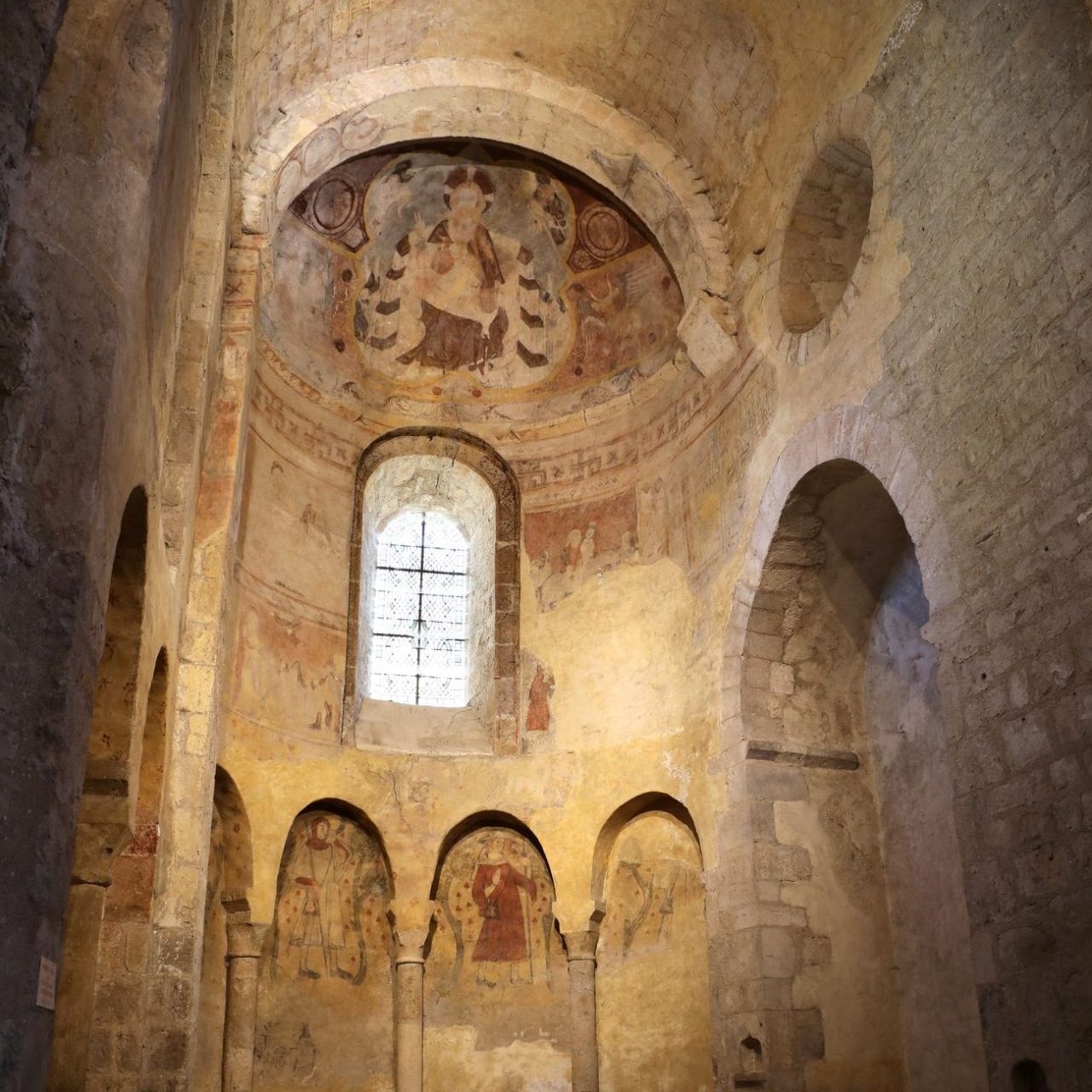
In Villeneuve, walkers can admire, in the Church of the Holy Sepulcher, the edifying testimony of the murals recounting the miracle of the “hanged man” attributed to Saint Jacques.
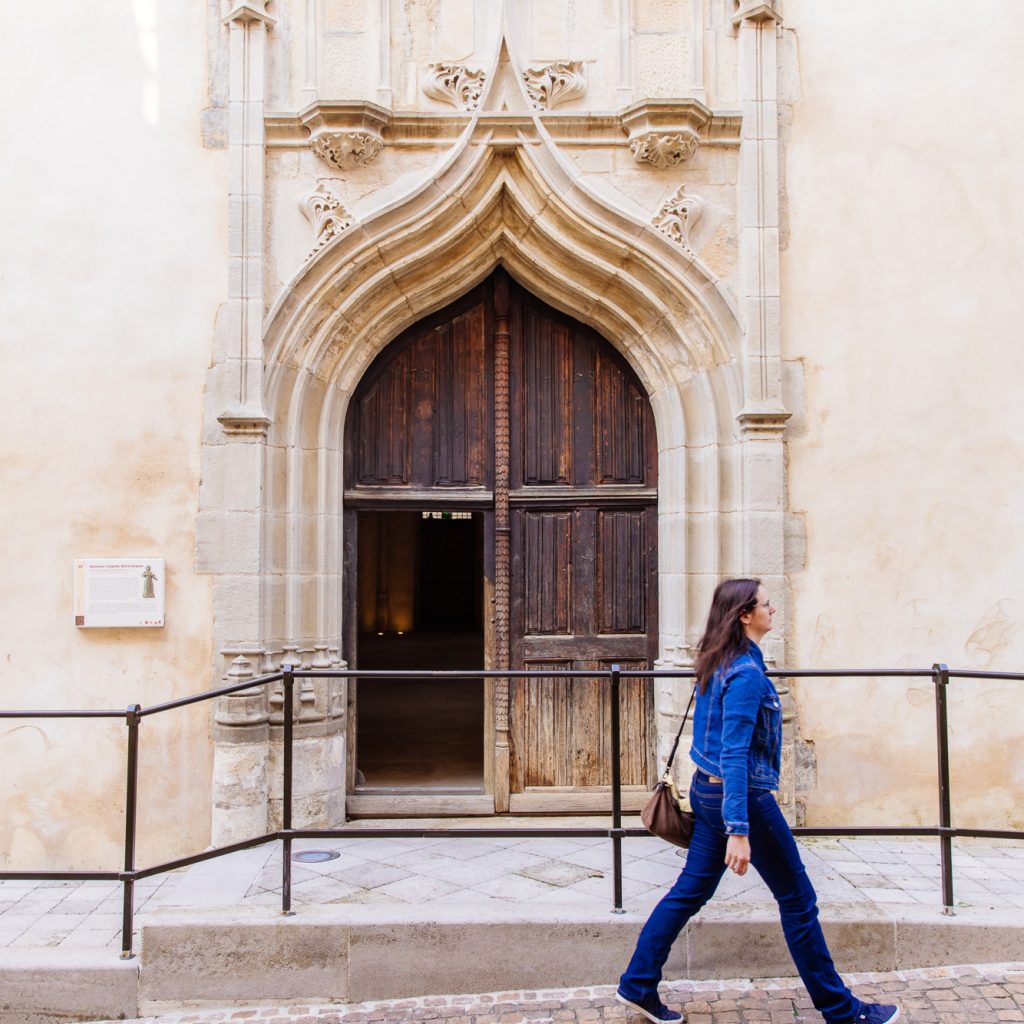
In Villefranche-de-Rouergue, the brotherhood of pilgrims offered them board and lodging in the hospital adjoining the chapel of Saint-Jacques.
The path today
Today, the Conques-Toulouse route crosses four departments: Aveyron, Tarn-et-Garonne, Tarn and Haute-Garonne. On 230 km, it is divided into 10 steps: spread over 10 days and marked as Great hiking trail GR®62b, 36 and 46. Beyond its heritage wealth, it also presents a landscape diversity between Causses and Gorges de l'Aveyron. It is a route well inscribed in its time with a railway axis running along almost the entire section.
You will also like...
Discover all our content to prepare your way to Santiago de Compostela in Aveyron.


