
Between green hills, steep valleys and villages of character, Ségala reveals a generous nature and a strong identity.
The Ségala is a vast territory stretching between western Aveyron, Tarn, and Lot. Its name comes from the Occitan word " segal ," meaning " rye ." And this is no coincidence: this hardy grain was for a long time the only one to grow on these acidic and unpredictable lands, shaped by schist and granite soils . In short, here, rye reigned supreme (and a tough one at that, not easily fazed by a little frost). This unique characteristic forged the agricultural and cultural identity of the Ségala, which you can still experience today as you explore the region.
The natural side of Ségala: hills, valleys and meandering rivers
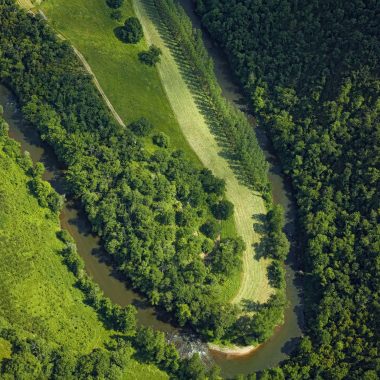
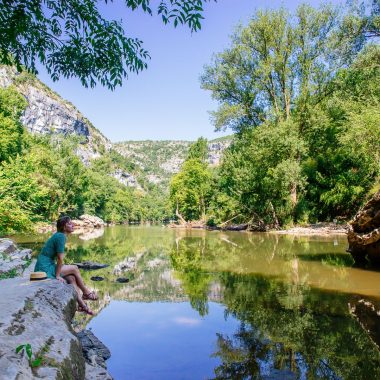
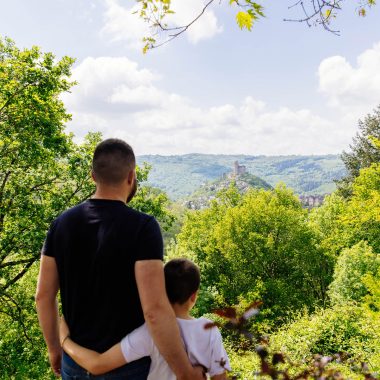
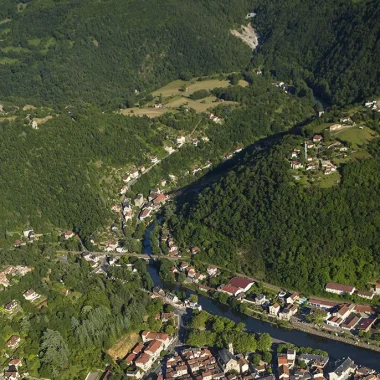
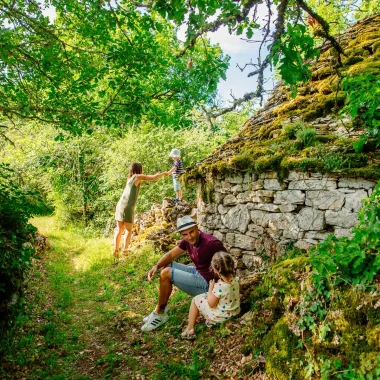
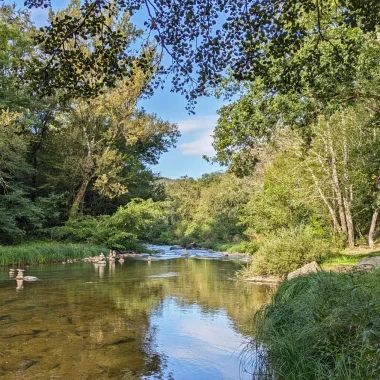
This mid-altitude region, situated between 400 and 800 meters, has plenty to charm you: plateaus, hills, and steep-sided valleys follow one another, offering a variety of landscapes where nature is bountiful. Chestnut and beech forests , verdant meadows, winding rivers… the scene is set. With its varied terrain and contrasts, the Ségala is a dream playground for hiking or cycling. Here, even those with less-than-athletic legs will find something to enjoy: a quiet path for the curious, a good climb for the more ambitious (and those who love breathtaking panoramic views).


Ségala, from rye to potatoes (and Aveyron veal!)
The Ségala region also boasts a rich human history. Long a land of modest subsistence farming, it gradually shifted towards cattle breeding and mixed farming , thanks to agricultural advancements. The 19th century marked a turning point: the arrival of lime from the Causse plateau allowed for soil improvement, finally making it more fertile. Today, you can discover thriving farms and sample high-quality local products, including the famous Rieupeyroux potato and Aveyron veal . Here, "local" isn't just a marketing concept: it's on your plate, and it's delicious. (Be warned, you might just leave with a small basket of provisions under your arm).
Ségala, a heritage that can be discovered step by step
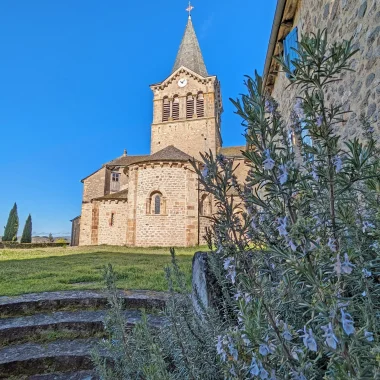
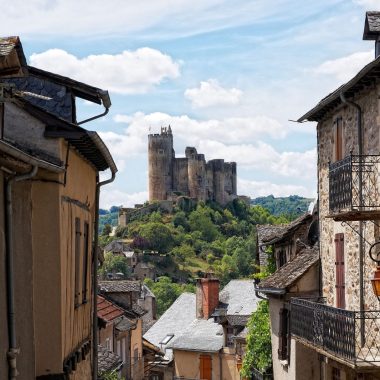
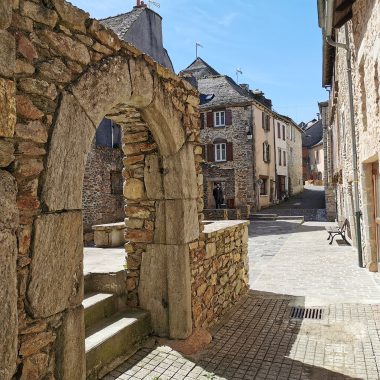
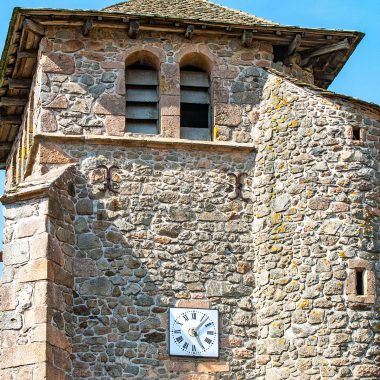
As you travel through villages like Lunac , Bor-et-Bar , and Najac , you'll discover a discreet yet authentic architectural heritage: schist houses with slate roofs , sécadous (those typical chestnut drying sheds), Romanesque churches , mills , and watermills , such as the one at Lézert . The architecture and landscapes almost give the mountain resort feel. A true escape, just a few minutes from Villefranche-de-Rouergue.

For further exploration...
To learn more about the Ségala, its history, its architecture or its landscapes, take a visit to the Governor's House , Interpretation and Animation Centre for the Heritage of the Bastides of Rouergue.