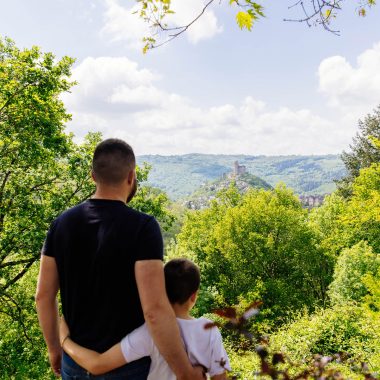

The Villefranche-de-Rouergue geological fault? You often hear about it when visiting our destination. But what is it? We'll explain!
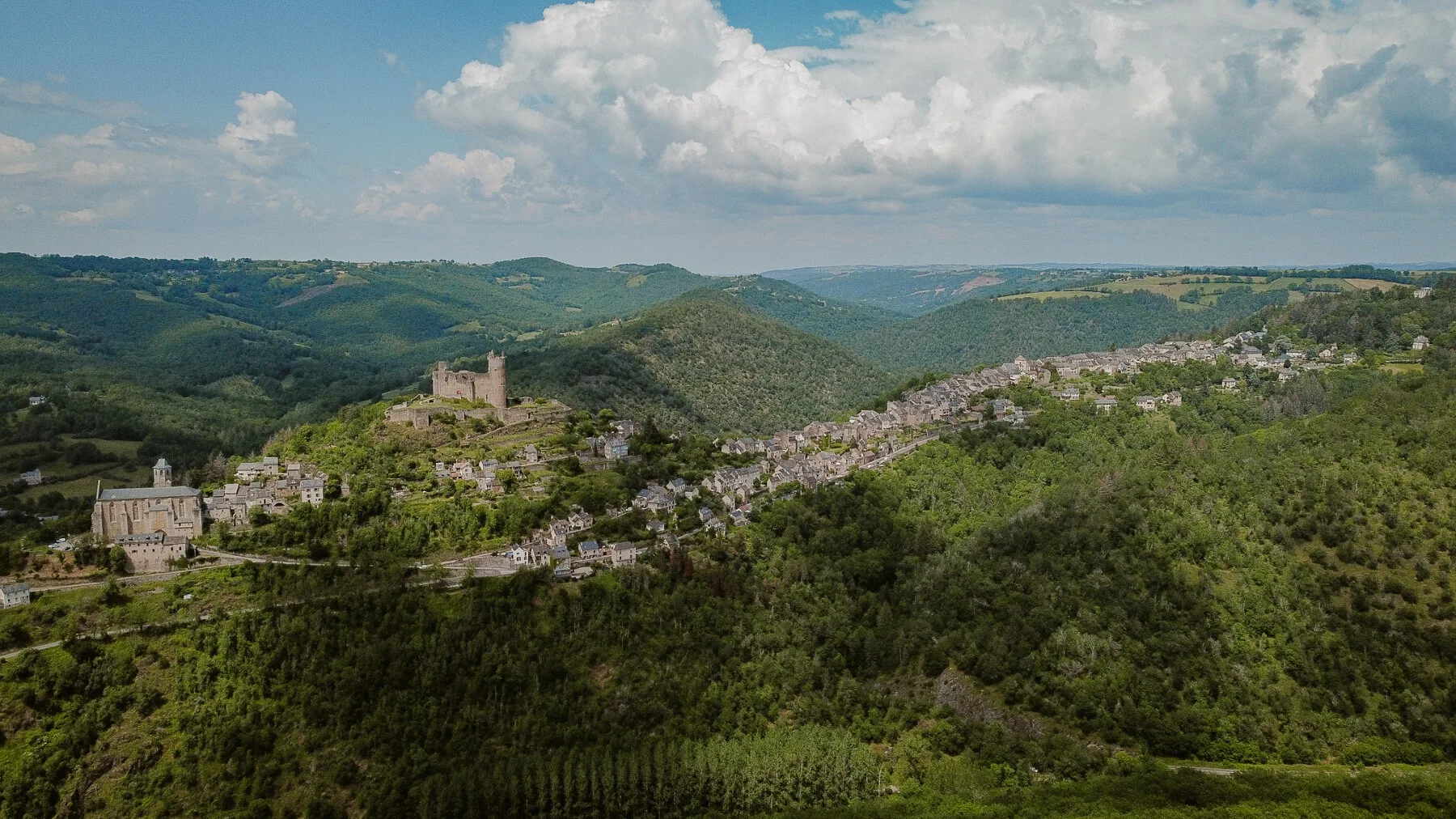
Located in the west of the Aveyron department, the Villefranche-de-Rouergue geological fault is an exceptional witness to the history of the Earth, no less! Dating back 300 million years, this large fracture in the Earth's crust, which extends for about 50 kilometers, from Peyrusse-le-Roc in the northeast to Laguépie in the southwest, marks the meeting between two landscape units at different times: the Causse and the Ségala.
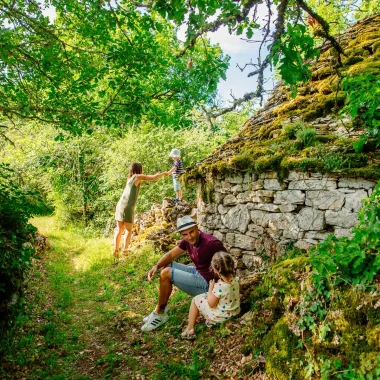
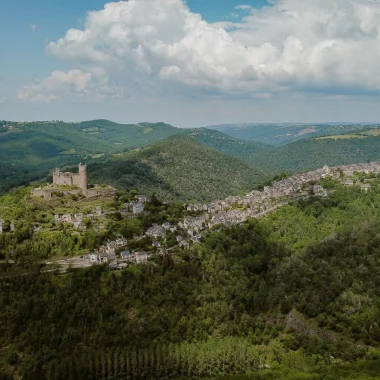
A geological fault visible from the sky
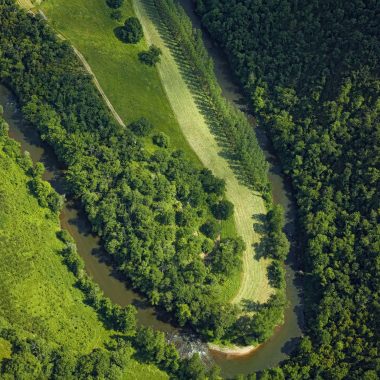
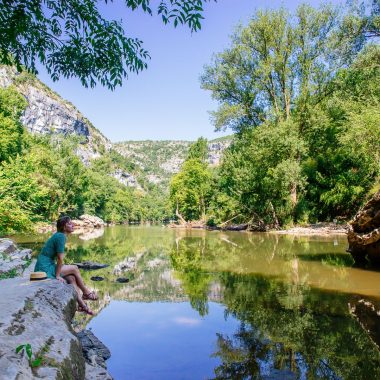
Visible from the sky, whether by glider, ultralight aircraft, or hot air balloon, it is distinguished by the diversity of landscapes it has shaped. From Villefranche-de-Rouergue, the Aveyron River turns south and flows into this fault. Here, one can observe the juxtaposition of the vast limestone plateaus of the Causse , carved by rivers, including the Lot, and the rolling hills and valleys of the Ségala . For geologists, the fault represents a veritable open-air laboratory, allowing them to study the mechanisms of deformation of the Earth's crust.
The fault and its influence on local history
Beyond its scientific significance, the fault has also influenced human development. The natural resources offered by these varied soils have fostered agriculture, the exploitation of stone, wood, hides, textiles, clay, and metal, and the establishment of settlements, including Najac and Villefranche-de-Rouergue. Humans have inhabited the area since prehistoric times, as evidenced by numerous archaeological discoveries.
This fault is also a cultural and historical border: the cities of the Causse depended mainly on the bishopric of Cahors, and those of the Ségala on that of Rodez. Their ways of life differed: wheat, limestone, walnuts, and wool on one side; rye, granite, chestnuts, and hemp on the other. The small heritage varies greatly from one side to the other: huts and wells on the Causse, sécadous and cisterns on the Ségala.
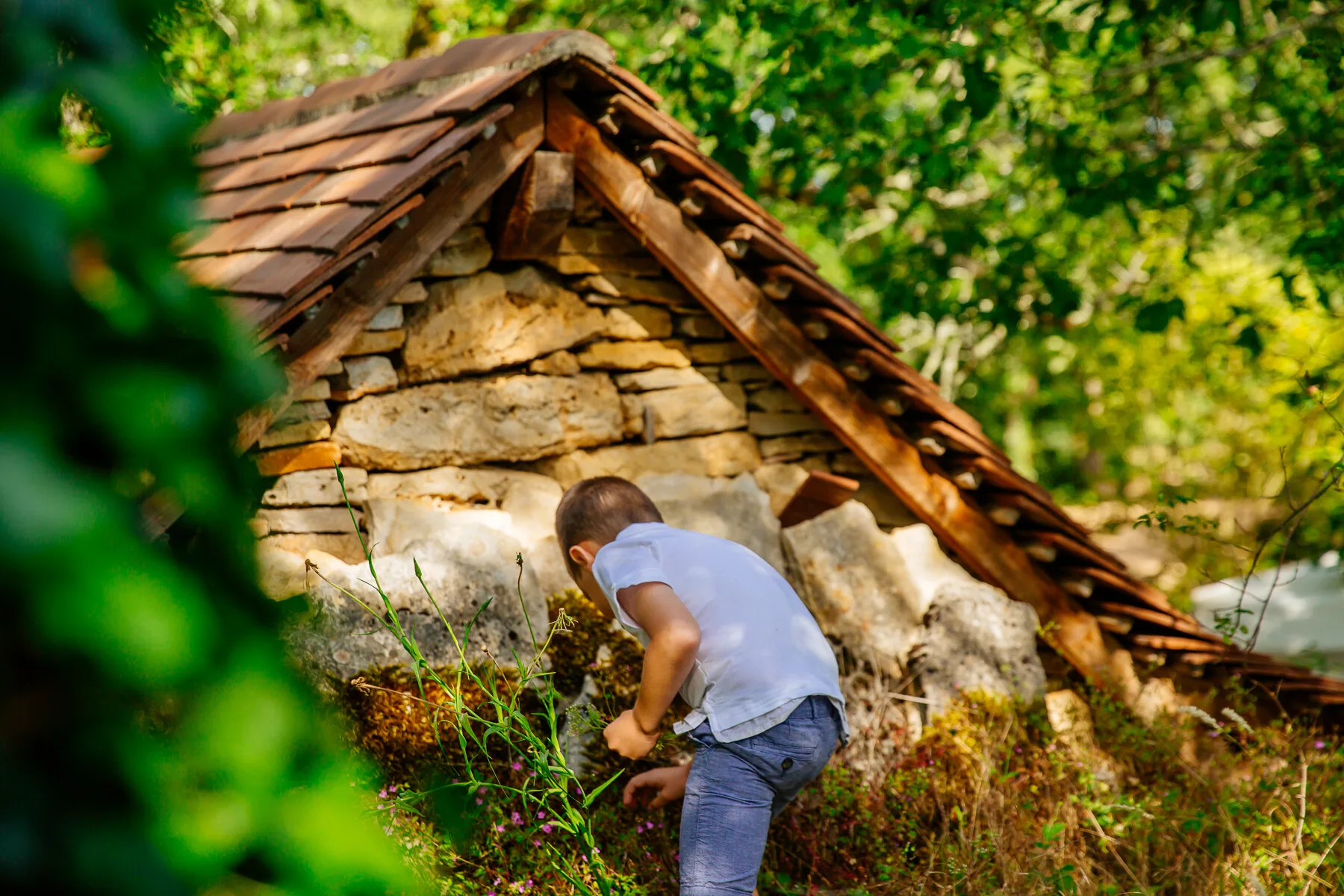
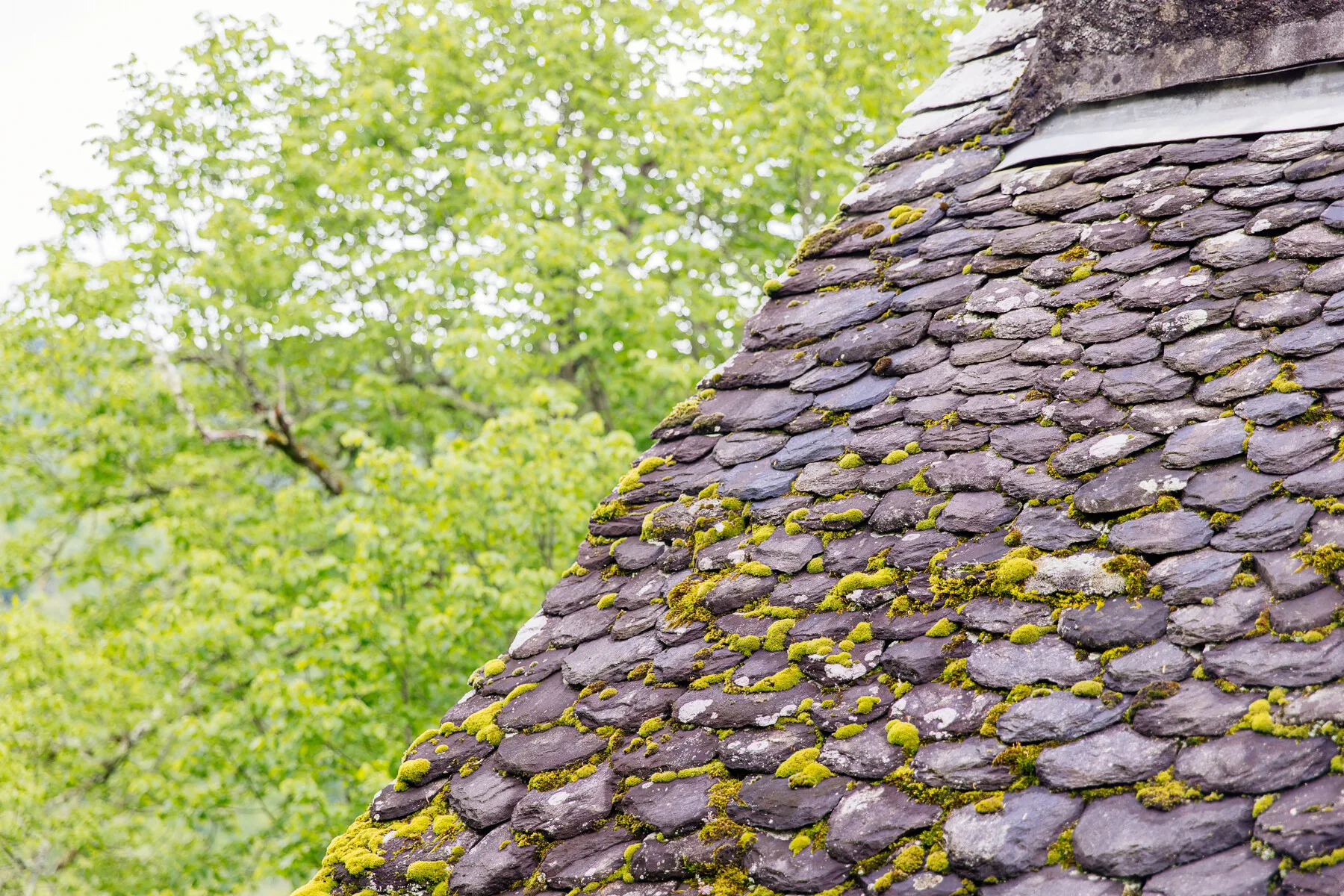
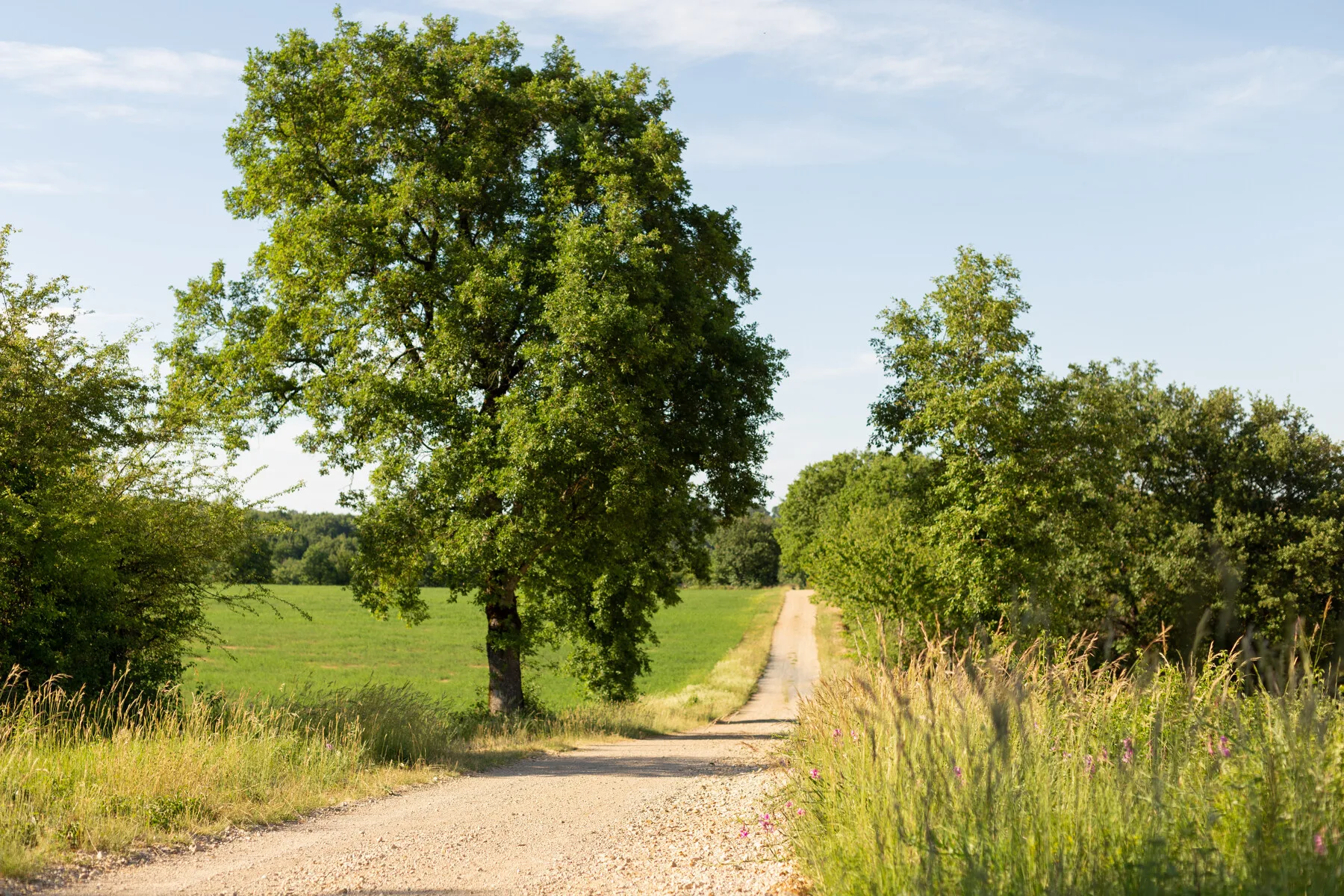
Some clues to help you find your way 👇
| Causse | Segala |
|---|---|
| ✅ Wheat | ✅ Rye |
| ✅ Limestone | ✅ Granite |
| ✅ Caselles | ✅ Sécadous |
| ✅ Nuts | ✅ Chestnut |
| ✅ Wool | ✅ Hemp |
| ✅ Well | ✅ Tanks |
| ✅ Sheep | ✅ Cattle |
| ✅ Tiles | ✅ Lauzes |
Discovering the geological fault
Accessible by various hiking, walking or cycling trails, the Villefranche-de-Rouergue fault has been followed since the Middle Ages by pilgrims on their way to Santiago de Compostela, passing through Peyrusse-le-Roc, Salles-Courbatiès, Villeneuve, Saint-Rémy, Villefranche-de-Rouergue, Monteils, Najac and Laguépie.
You too can follow this route on the Conques-Toulouse section of the Way of St. James ! Good to know: the train stations at Salles-Courbatiès, Villefranche-de-Rouergue, Najac, and Laguépie will make your journey easier!
When the fault shakes… or inspires
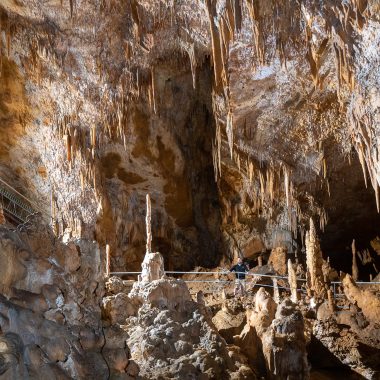
The fault hasn't always been kind: in Villefranche-de-Rouergue, it caused the collapse of dozens of houses in the 5th century. And if we go back even further in time, around 000 years ago, a tectonic shift completely sealed the entrance to the Foissac cave , now one of the highlights of our region. Perhaps a blessing in disguise, since it allowed its treasures to be preserved to this day (thanks to the fault!). But rest assured, it can also be generous, as seen in the Jammes Gardens where the meeting of two soil types offers ideal conditions for cultivating exceptional aromatic and medicinal plants.
In baking or in art, winks to the fault
Pastry chef Patrick Astor and historian Gilles Bernard conceived a cake reminiscent of this geological fault. Of varying heights but resting on the same chocolate biscuit, one side consisted of a red fruit mousse made with wild strawberries, blackcurrants, and raspberries, while the other was a succession of layers of dark chocolate mousse, white chocolate mousse with a craquelin topping, milk chocolate mousse, and meringue and pulled sugar. A fault line? Yes. But this one, we'd love to fall into… It should be noted that it is unfortunately no longer available.
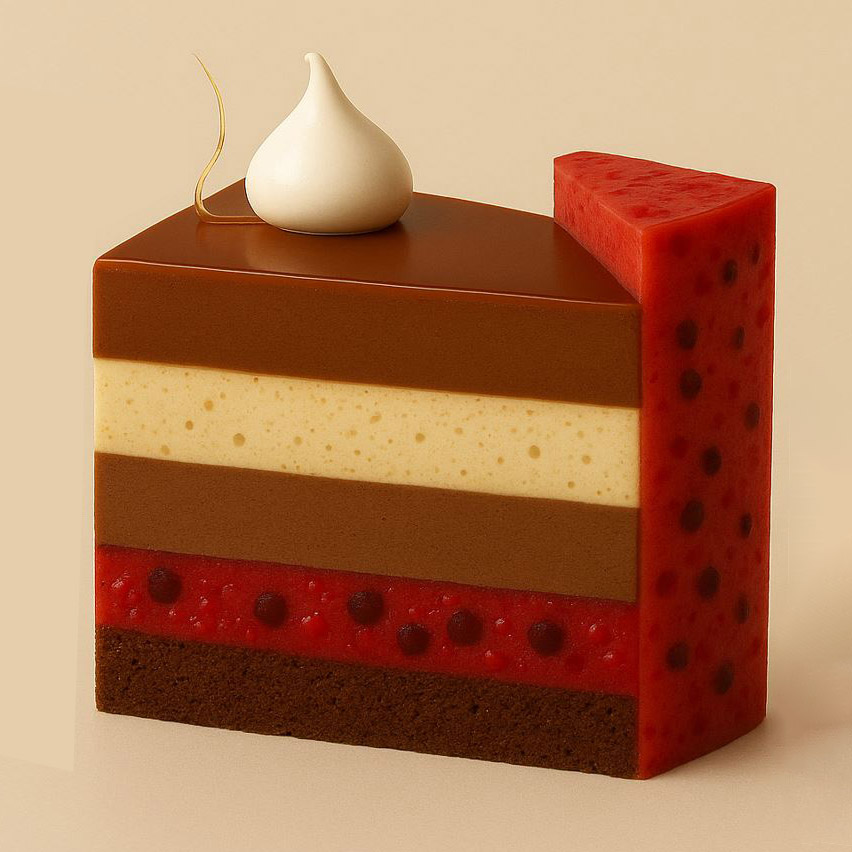
AI-generated illustration
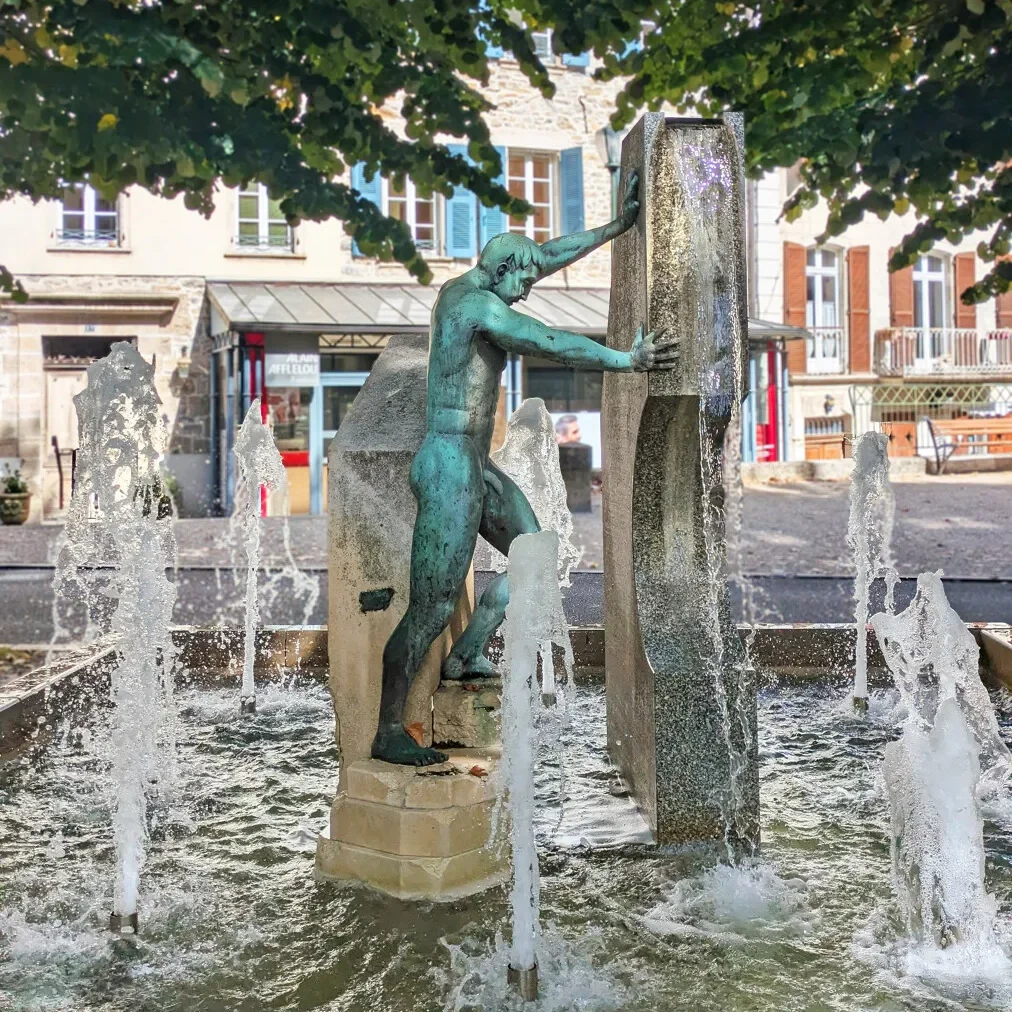
And what about art in all this? On the Guiraudet promenade in Villefranche-de-Rouergue, opposite the town hall, stands a fountain created by the sculptor José Ballester in 2006. It depicts a colossus leaning on a limestone slab and pushing a granite block, with water flowing at his feet: a perfect metaphor for the geological fault and the Aveyron river.